Functional Medicine Doctor Near Me vs. Naturopathic
If you've searched for a functional medicine doctor near me, you've probably also seen naturopathic clinics, holistic wellness centers, and med spas in the results. They are not the same thing. This guide breaks down the real clinical differences so you know what you're walking into before you book.
What Is Functional Medicine? (The Medical Approach)
Functional medicine is practiced inside a licensed medical framework with prescriptive authority and advanced diagnostics. Naturopathic medicine operates as a separate system and, in Illinois, does not carry the same licensing scope or prescribing rights.
What is functional medicine, exactly? It's a diagnostic approach to care that looks for the underlying cause of a symptom instead of treating the symptom alone. According to the Institute for Functional Medicine, it uses systems-based evaluation, lab testing, and clinical reasoning to understand why a patient feels the way they do, not just what to prescribe for it.
At Vallee Health Repair (VHR), that means advanced diagnostics like GI-MAP stool testing, micronutrient testing, and full hormone panels. These tools give a licensed provider real data to work from instead of relying on guesswork or a generic supplement list.
What Is Naturopathic Medicine?
Naturopathic medicine draws on natural remedies, dietary changes, and lifestyle interventions. Many naturopathic providers care deeply about their patients and take a whole-person view of health. That's worth respecting.
The distinction that matters for your care is licensure and scope. In Illinois, naturopathic providers are not licensed to prescribe medication, order most advanced lab panels, or manage medical conditions the way a licensed medical provider can. If your health issue needs more than diet and lifestyle support, that gap matters.
Integrative Medicine vs Naturopathic: Two Different Models
This is where integrative medicine vs naturopathic care gets confusing for patients. Integrative and functional medicine models sit inside conventional medical practice. They add root-cause thinking to standard diagnostics and prescriptive tools. Naturopathic care generally operates as its own separate system, outside that medical licensing structure.
Functional Medicine vs Holistic Medicine: Not Interchangeable Terms
Functional medicine vs holistic medicine is another pairing patients mix up. Holistic care is a philosophy: treat the whole person, not just the diagnosis. Functional medicine can be holistic in spirit, but it is grounded in labs, diagnostics, and clinical training. The word "holistic" alone doesn't tell you whether a provider can order bloodwork or write a prescription.
Functional Medicine vs Naturopathic Medicine: The Real Differences
Here's where the two paths actually diverge in practice.
Prescribing Authority
A licensed medical provider can prescribe medication when it's the right tool for the job. Naturopathic providers in Illinois cannot. This matters for anyone managing hormone imbalance, thyroid dysfunction, or a condition that needs more than a supplement protocol. You can review Illinois licensure rules for advanced practice providers directly through the Illinois Department of Financial and Professional Regulation.
Diagnostic Testing and Lab Work
Functional medicine providers order and interpret advanced lab work such as GI-MAP, micronutrient panels, and full hormone testing. These aren't quick-fix tests. They give a provider a clear picture of what's actually happening in your body before recommending a plan.
Training and Licensure
A functional medicine provider working within a medical license has completed nursing or medical training, board certification, and ongoing continuing education requirements. Naturopathic training varies widely by state and does not carry the same licensing oversight.
What "Medical Functional Medicine" Means at VHR
VHR describes its approach as medical functional medicine. That phrase isn't a marketing flourish. It means root-cause investigation happens inside a licensed medical framework, with prescriptive authority and diagnostic testing available when a patient needs them, not just food and lifestyle coaching.
VHR is one of the few practices in the Quincy tri-state region combining bioidentical hormone therapy, functional medicine, and Care Partnership under one provider-led roof. That combination is part of what separates a medical model from a wellness-only one.
Why Patients Confuse the Two (and Why It Matters)
Most patients don't arrive confused on purpose. They've searched "root cause" content online, watched a podcast episode, or talked to a friend who "did the natural route." By the time they call a clinic, they sometimes expect a supplement list and a food plan rather than a full clinical workup.
That expectation gap costs time on both sides. A patient hoping for one thing and receiving another leads to frustration during the first visit. Setting the expectation early, before the call, helps you land with the right provider the first time. If lifestyle support alongside your care plan sounds appealing, VHR's health coaching program built around functional medicine pairs that piece with your clinical treatment, not instead of it.
What Tasha Vallee Actually Does at VHR
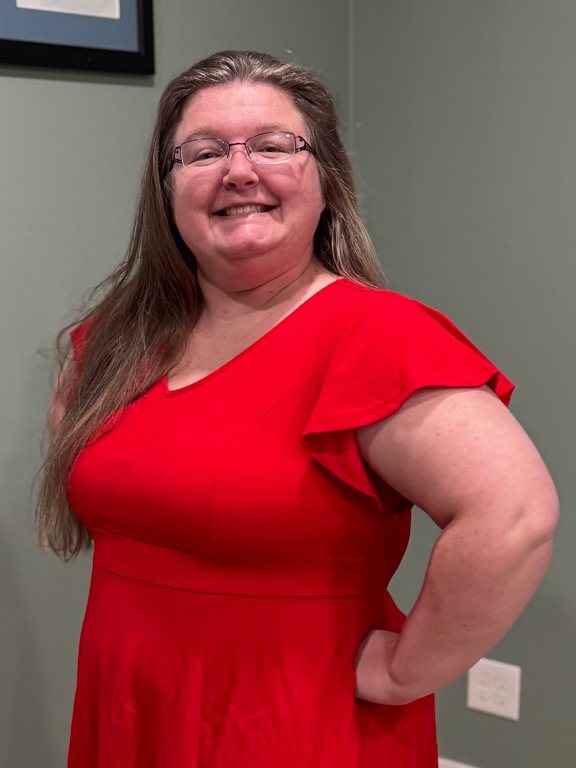
Tasha Vallee, FNP-BC, FPA, is a board-certified family nurse practitioner with full practice authority in Illinois. That credential means she can diagnose, order advanced labs, and prescribe medication without requiring a separate collaborating physician for most of her scope of care.
Tasha and the VHR clinical team bring extensive clinical experience to every visit, and initial consultations typically run 60 to 90 minutes rather than the typical 15-minute appointment. That time is what allows a real workup instead of a rushed guess.
Is a Medical Functional Medicine Evaluation the Right Next Step?
If you've been told your labs are "normal" while you still feel exhausted, foggy, dealing with weight gain, or off, a deeper look is usually worth it.
Signs a Root-Cause Workup Is Worth Pursuing
You're likely a good fit if you've tried the natural or lifestyle route already and still don't have answers, if a previous provider dismissed your symptoms without ordering advanced testing, or if you want a treatment plan backed by lab data rather than trial and error.
Finding a Functional Medicine Doctor in Quincy IL
If you're comparing options for functional medicine quincy il, ask two questions before you book: is the provider licensed to prescribe, and do they use lab-based diagnostics or rely mainly on intake questionnaires? Those two answers tell you almost everything about what kind of visit you're walking into. Explore VHR's functional medicine evaluation process to see what a lab-based workup actually involves before your first appointment.
For patients who want ongoing access to their provider rather than a one-time evaluation, VHR's Care Partnership folds functional medicine into a longer-term care relationship.
Vallee Health Repair holds a 5.0-star Google rating across 58 patient reviews and was voted Best Holistic Medical Practice by the Quincy Herald-Whig in 2025.
Ready to Get Real Answers?
If you're tired of being told your labs look fine while you still feel unwell, book a consultation with VHR's functional medicine team who works from lab data instead of another guess. Reach out to VHR's clinical team to start with a real diagnostic workup.
Frequently Asked Questions
1. What is the difference between functional medicine and naturopathic medicine?
Functional medicine operates inside a licensed medical framework with prescriptive authority and advanced lab testing. Naturopathic medicine is a separate system that generally does not include prescribing rights or the same diagnostic scope in Illinois.
2. Can a functional medicine doctor prescribe medication?
Yes, when that provider holds a medical or nurse practitioner license with prescriptive authority. This is one of the clearest lines between functional medicine and naturopathic care.
3. Is naturopathic medicine evidence based?
Naturopathic approaches vary widely in their level of research support. Some lifestyle and nutrition interventions have evidence behind them, while others do not carry the same clinical backing as licensed medical diagnostics and treatment.
4. What does a functional medicine doctor do?
A functional medicine doctor investigates the root cause of a symptom using detailed history, advanced lab testing, and clinical reasoning, then builds a treatment plan based on what the data actually shows.
5. Do functional medicine doctors take insurance?
Many functional medicine practices, including VHR's Care Partnership model, operate on a membership or cash-pay basis rather than traditional insurance billing. This allows for longer visits and more diagnostic flexibility than an insurance-based schedule typically permits.
Key Takeaways
● Confirm a provider's prescribing authority before booking if you may need medication management.
● Ask whether advanced lab testing, like GI-MAP or full hormone panels, is part of your evaluation.
● A functional medicine visit should include a full diagnostic workup, not just a lifestyle questionnaire.
● Longer consultation times generally mean more thorough root-cause investigation.
● If you've already tried the natural route without answers, a medical functional medicine evaluation is a logical next step.