Weight Loss Clinic Quincy IL: Medical vs Med-Spa Care
You've probably noticed the two very different kinds of places offering weight loss help around Quincy. One is a medical clinic with a nurse practitioner and lab work behind every prescription. The other is a med spa with a menu of injections and no exam required. If you're comparing a weight loss clinic in Quincy, IL that patients trust against a med spa down the street, here's what you'll walk away knowing: exactly which questions separate real medical oversight from a convenient shortcut, and why that difference shapes your results.
What a Medically Supervised Weight Loss Program Actually Includes
A true medical weight loss program starts with an intake that looks like a real appointment, not a sales consult. That means a health history review, a current medication check, and baseline labs before anything gets prescribed. A licensed provider, not a sales associate, decides whether a treatment plan is appropriate for your body and your risk factors.
At Vallee Health Repair in Quincy, IL, that starting point isn't optional. A consultation reviews your health history and current concerns, discusses your goals and treatment options, and determines in most cases whether labs or additional testing are appropriate before a treatment plan is finalized. That's the model behind medical weight loss programs built around ongoing provider oversight rather than a single injection visit.
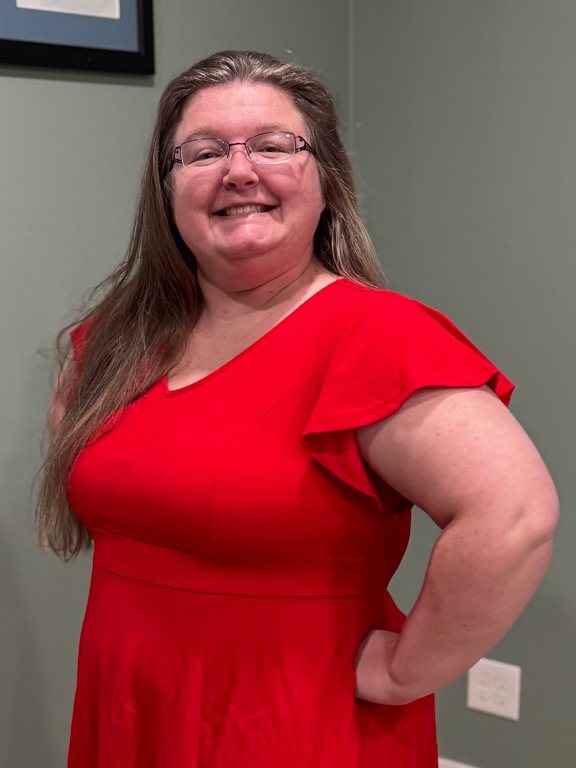
At Vallee Health Repair, that evaluation is led by Tasha Vallee, FNP-BC, FPA, with 20 years of clinical experience and 13 years as an advanced practice provider. That is the kind of clinical depth that determines whether a treatment plan is built around your body or handed off from a menu.
If you've been searching for a medical weight loss option in Quincy that goes beyond a single injection visit, this is usually what you're actually looking for: a program that adjusts based on your labs and your progress, not a one-size-fits-all package sold the same way to every patient who walks in.
What a Med Spa Actually Offers
Med spas fill a real need. They're convenient, often walk-in friendly, and good for cosmetic or wellness services that don't require ongoing medical management. Many offer weight loss injections as an add-on to their aesthetic menu, alongside facials, laser treatments, or Botox.
The tradeoff is oversight. Med spas are frequently staffed by estheticians or medical assistants working under a supervising provider who may not see patients directly. Lab work is inconsistent from one visit to the next. Follow-up care is often left to the patient to schedule rather than being built into the plan from day one. For someone comparing medical weight loss Illinois options, that gap in follow-through is usually where results stall a few months in.
None of this means med spas are dishonest. It means the two models are built to solve different problems, and it's worth knowing which one you're actually walking into.
Questions to Ask Before Booking a Weight Loss Program Anywhere
Before booking anywhere, ask these questions out loud. A program with nothing to hide will answer all of them clearly and without hesitation.
Who is reviewing my labs and adjusting my plan? Get a name and a license type, not just "our team."
Will I see the same provider at every visit, or does that change from one appointment to the next?
What labs are run before I start, and how often after that?
What happens if I have side effects or the plan simply isn't working for me?
Is medical oversight included in the program, or is it billed as a separate add-on?
You can independently verify any Illinois provider's license status through the Illinois Department of Financial and Professional Regulation's license lookup, which is a fast, free way to confirm who is actually supervising a program before you commit your time and money to it.
Key Differences: Medical Oversight, Program Depth, and Safety
The core difference comes down to three things: who's watching your labs, how deep the program goes beyond the injection itself, and how safety is handled if something changes along the way.
A clinic-based program typically includes baseline and follow-up labs, a provider visit at each check-in, and adjustments based on how your body actually responds. A med-spa program more often follows a fixed protocol regardless of your individual results, because the staff administering it usually isn't credentialed to change the plan.
If your goal is wellness and weight loss as part of a broader health picture, meaning thyroid function, blood sugar, or hormone balance, a clinic model is built to catch and adjust for those factors as they come up. A med spa generally isn't equipped to do that, and it isn't meant to be.
Hormonal imbalance is a common, often overlooked factor in stalled weight loss. If your labs point in that direction, it's worth asking whether the provider offers bioidentical hormone replacement therapy as part of a broader plan rather than treating weight loss as its own isolated issue.
Why Lab-Driven Care Changes the Outcome
GLP-1 medications, including semaglutide, have become a common part of medical weight loss conversations nationwide. The FDA has approved certain GLP-1 formulations specifically for chronic weight management, but it has also flagged real safety concerns around unapproved or compounded versions sold outside a licensed medical setting. That distinction matters if you're researching semaglutide Quincy IL providers: where the medication comes from, and who is prescribing and monitoring it, changes the risk profile significantly.
This is exactly why lab work isn't a formality tacked onto the front of a program. Baseline labs catch things like thyroid dysfunction, blood sugar irregularities, or kidney function issues, all of which would change how a provider approaches your plan or whether medication is appropriate for you at all. A program that skips this step is guessing at your biology. A program built around it is managing your actual health, not just a number on a scale.
For patients who want ongoing, coordinated care rather than a single isolated treatment, Vallee Health Repair folds weight management into its Care Partnership membership, where checkups, labs, and follow-up visits are part of one continuous relationship instead of separate one-off transactions.
Searching for Medical Weight Loss Near Quincy, IL? Here Is What to Look For
If you are searching for a medical weight loss provider close to Quincy, or anywhere in the surrounding tri-state region, you're likely looking for something specific: a clinic within reasonable distance for regular visits, with enough medical depth to actually track your progress over time. Distance matters less than what happens once you're through the door.
A nearby clinic with weak follow-up isn't more useful than a slightly farther one that actually manages your care month to month. Before choosing based on convenience alone, run through the provider questions above. A short drive to a clinic that adjusts your plan based on real data will almost always outperform a closer option that hands you the same protocol as everyone else.
Your Next Step Toward a Plan That Actually Fits You
The right choice isn't about which option sounds more convenient. It's about which one is actually built to manage your health, not just sell you a service. A provider who takes this seriously should be able to answer every question on that checklist above without hesitation, every time you ask.
If you're ready to talk through your history, your goals, and what a lab-driven plan could look like for you at a weight loss clinic Quincy IL patients trust for real medical oversight, request an appointment and start with a real conversation instead of a guess.
Frequently Asked Questions
1. Is a medical weight loss clinic the same as a med spa?
No. A medical weight loss clinic is run by licensed providers who order labs, review your health history, and adjust treatment based on your results. A med spa typically focuses on cosmetic and wellness services and may offer weight loss injections without the same level of ongoing medical oversight.
2. Do I need labs before starting a weight loss program?
Reputable medical weight loss programs run baseline labs before starting treatment and repeat them periodically. This helps catch underlying issues like thyroid or blood sugar problems and confirms that any prescribed medication is appropriate for you specifically.
3. Are GLP-1 medications like semaglutide safe?
FDA-approved GLP-1 medications have gone through federal review for safety and effectiveness when prescribed and monitored by a licensed provider. The FDA has specifically warned against unapproved or compounded versions obtained outside that kind of medical oversight.
4. How do I know if a provider is actually licensed?
You can look up any Illinois healthcare provider's license status directly through the Illinois Department of Financial and Professional Regulation's public lookup tool before booking an appointment anywhere.
5. What should my first visit include?
A proper first visit should include a full health history review, a conversation about your goals, and baseline labs before any treatment plan is finalized. If a visit skips straight to a prescription with no history or labs, that's worth questioning before you continue.
Key Takeaways
Medical weight loss programs include provider oversight and lab work; med spas often don't.
Ask who is reviewing your labs and adjusting your plan before you book anywhere.
You can verify any Illinois provider's license directly through IDFPR's public lookup tool.
FDA-approved GLP-1 medications carry oversight that unapproved or compounded versions don't.
Hormonal imbalance is a common, overlooked factor in stalled weight loss progress.
Distance to a provider matters less than the depth of follow-up care once you're there.